
When ‘Wet Floor’ Signs Aren’t Enough: Understanding Inadequate Warnings in Louisiana Premises Cases
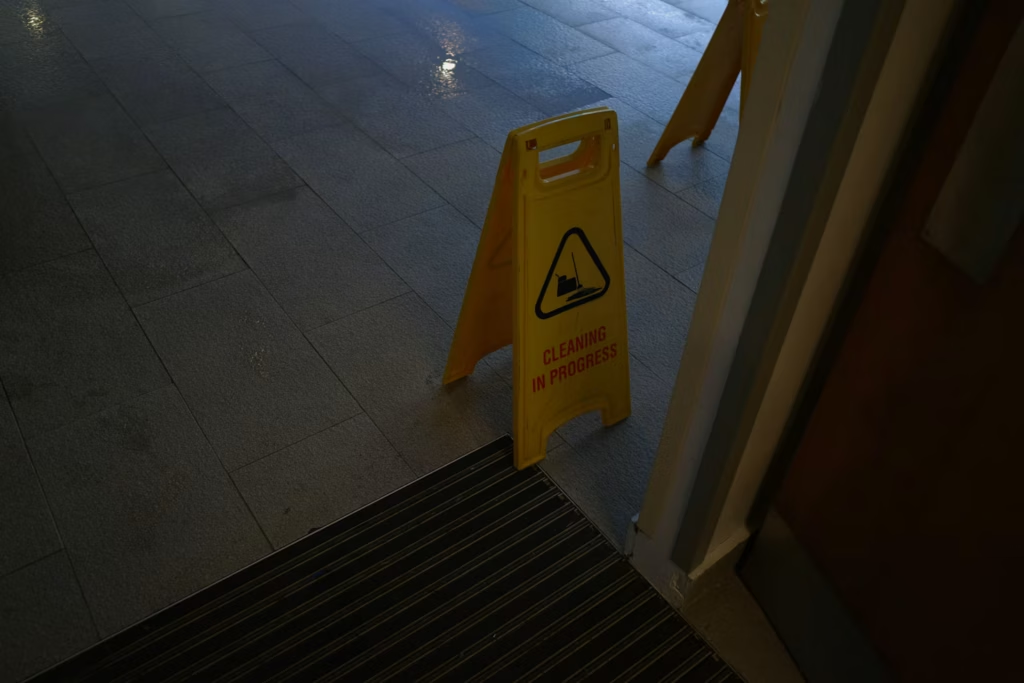
Table of Contents
Key Insights
- A warning sign alone does not automatically protect a property owner from liability.
- Louisiana law requires reasonable care, which includes proper hazard management and effective warnings.
- Poor placement, visibility, or timing of warnings can make them legally inadequate.
- Evidence such as incident reports, surveillance footage, and witness statements can strengthen your claim.
- Working with experienced attorneys helps you navigate complex premises liability laws and protect your rights.
You expect a business or property owner to take reasonable steps to keep you safe. When that responsibility falls short, even something as simple as a wet floor can lead to serious injury.
In many Louisiana premises liability cases involving inadequate warnings, the issue is not whether a sign existed, but whether it actually protected you from harm. A poorly placed or ineffective warning can create the same risk as no warning at all.
At Chehardy Sherman Williams, our experienced attorneys help clients understand when a property owner’s failure to properly warn of a hazard crosses the line into negligence. If you were injured due to unsafe conditions, knowing how these cases work can help you take the next step with confidence.
What Is Inadequate Warning in Louisiana Premises Liability Cases?
Inadequate warning refers to a situation where a property owner fails to properly notify visitors of a dangerous condition. Under Louisiana law, property owners and businesses must take reasonable steps to keep their premises safe.
This responsibility includes:
- Identifying potential hazards
- Fixing dangerous conditions when possible
- Providing clear and effective warnings when hazards cannot be immediately corrected
A warning that is poorly placed, difficult to see, or unclear may not meet this legal standard.
When a “Wet Floor” Sign Is Not Enough
Improper placement of warnings
A warning sign must be positioned where you can reasonably see it before encountering the hazard. For example, placing a sign behind a spill or in a low-traffic area may fail to provide adequate notice.
Failure to address the hazard itself
A sign does not replace the duty to fix a problem. If a spill remains for an extended period without cleanup, the property owner may still be negligent, even if a sign is present.
Lack of visibility or clarity
Warnings must be clear, legible, and noticeable. A faded sign, obstructed view, or poorly lit area can make a warning ineffective.
Louisiana Law on Premises Liability and Duty to Warn
Louisiana law outlines specific responsibilities for property owners, particularly businesses that serve the public.
Merchant liability under Louisiana Revised Statutes § 9:2800.6
Louisiana Revised Statutes § 9:2800.6 establishes that merchants must exercise reasonable care to keep aisles, passageways, and floors safe. This includes making a reasonable effort to keep surfaces free of hazardous conditions.
To succeed in a claim, you generally must show:
- The condition presented an unreasonable risk of harm
- The merchant either created or had notice of the condition
- The merchant failed to exercise reasonable care
According to the National Floor Safety Institute, slips and falls account for over 8 million hospital visits each year in the United States, highlighting how common and serious these incidents can be.
Common Scenarios Involving Inadequate Warnings
Inadequate warnings appear in many everyday environments. Some of the most common scenarios include:
- Grocery stores with unmarked spills or poorly placed caution signs
- Restaurants with recently mopped floors and no visible warning
- Retail stores with obstructed walkways or hidden hazards
- Apartment complexes with broken stairs or poor lighting
- Parking lots with unmarked uneven surfaces
Each situation depends on the specific facts, including how long the hazard existed and what steps the property owner took to address it.
How to Prove an Inadequate Warning Claim
Building a premises liability case requires strong evidence and a clear understanding of Louisiana law.
Key elements often include:
- Photographs or video footage showing the hazard and surrounding conditions
- Incident reports filed at the scene
- Witness statements confirming what happened
- Maintenance records that reveal whether the property owner followed safety procedures
Timing also matters. The sooner you document the scene and seek legal guidance, the stronger your position may be.
How a Premises Liability Lawyer Can Help
Premises liability cases can be complex, especially when businesses argue that a warning sign was sufficient. An experienced attorney evaluates whether that warning met legal standards and whether additional steps should have been taken.
At Chehardy Sherman Williams, our team brings decades of experience handling personal injury cases across Louisiana. We take a client-focused, results-driven approach, carefully reviewing every detail of your case and advocating for your best interests.
From gathering evidence to negotiating with insurers or preparing for trial, having a knowledgeable legal team ensures that your claim is handled with the attention it deserves.
Frequently Asked Questions
What qualifies as an inadequate warning in Louisiana?
An inadequate warning in Louisiana is a notice that fails to reasonably alert you to a dangerous condition before you encounter it. This includes warnings that are poorly placed, not visible, unclear, or provided too late to prevent harm. Courts evaluate whether the warning gave you a fair opportunity to avoid the hazard.
Can a business avoid liability by putting up a warning sign?
A business cannot automatically avoid liability by placing a warning sign. Louisiana law requires property owners to exercise reasonable care, which includes fixing hazards when possible and ensuring warnings are effective. If a sign is not clearly visible or the hazard is not addressed, liability may still apply.
How long does a property owner have to fix a hazard?
A property owner must address a hazard within a reasonable amount of time based on the circumstances. If a dangerous condition exists long enough that it should have been discovered and corrected, the owner may be considered negligent under Louisiana law.
Do I need proof that the business knew about the hazard?
You generally need to show that the business knew or should have known about the hazard. This is called actual or constructive notice. Evidence such as inspection records, employee reports, or surveillance footage can help establish this element.
What should I do after a slip-and-fall accident?
You should seek medical attention, document the scene, report the incident to the property owner, and consult an attorney. Taking these steps helps preserve evidence and protects your ability to pursue a premises liability claim.
Your Louisiana Slip-and-Fall Attorneys
If you were injured due to unsafe conditions, you deserve clear answers and strong legal support. At Chehardy Sherman Williams, our experienced slip-and-fall attorneys provide advocacy every step of the way, helping you understand your rights and pursue the compensation you may be entitled to.
We bring nearly four decades of legal experience, a track record of excellence, and a commitment to personalized client care. Routinely recognized by Best Lawyers®, our team takes the time to evaluate your situation, explain your options, and build a strategy tailored to your case.
Schedule a consultation today to speak with an attorney and take the next step toward protecting your interests.