
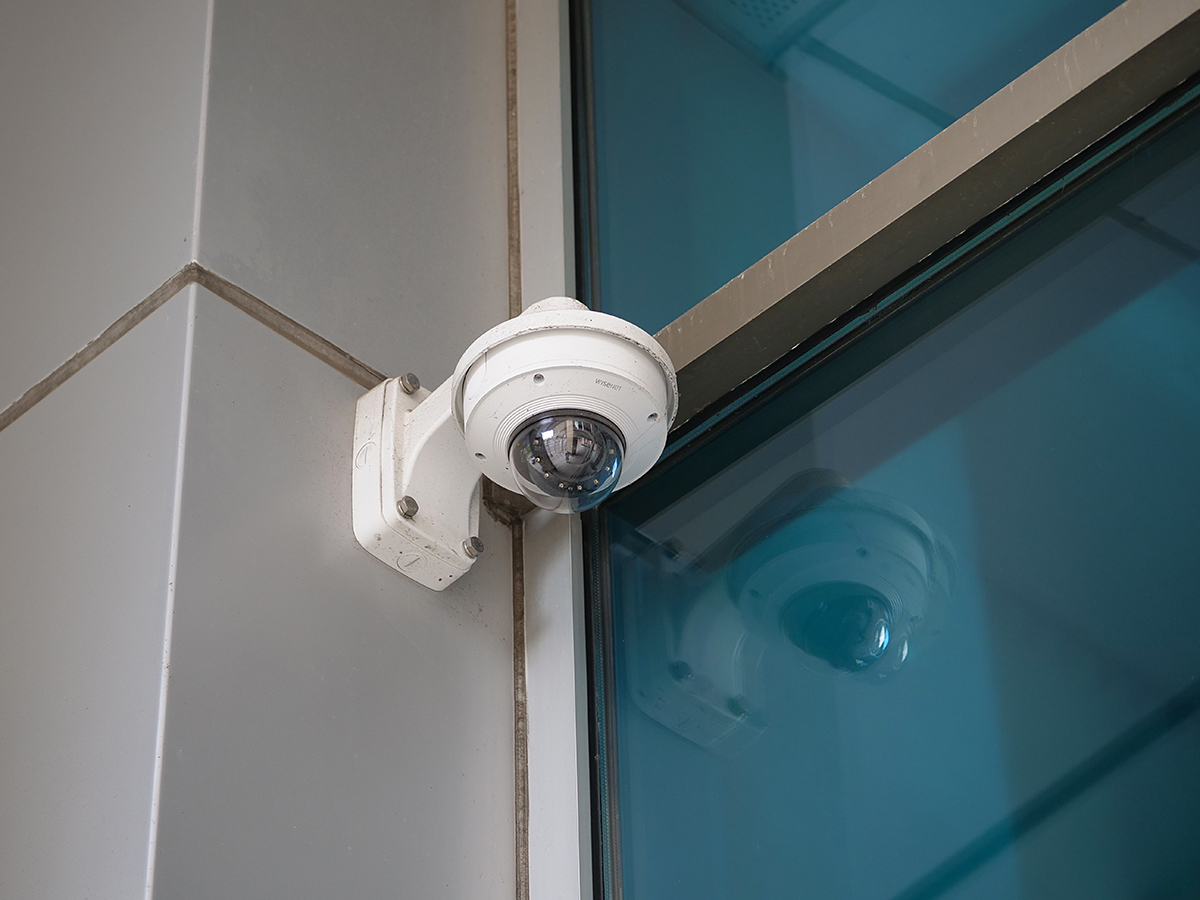
How Surveillance Footage Can Make or Break Your Premises Liability Claim
Table of Contents
In Louisiana premises liability cases, surveillance footage is often the single most decisive piece of evidence. It can prove a hazard existed, show how long it was there, and establish that the property owner knew or should have known about it. Moving quickly to preserve that footage, before it is overwritten or deleted, can be the difference between a strong claim and one that disappears with the recording.
Key Insights
- Louisiana law requires injured parties to prove the property owner knew or should have known about the hazard under Louisiana Revised Statute 9:2800.6. Surveillance video is often the clearest proof of prior notice.
- Most commercial security systems overwrite footage within 30 to 72 hours. An attorney can send a spoliation letter demanding preservation before the footage is gone.
- Surveillance video can establish a “notice clock,” showing exactly how long a hazard existed on the floor before an injury occurred.
- The same footage that helps injured victims can also be used by property owners to dispute the claim, making it a priority for both sides to obtain it quickly.
- Building a strong premises liability claim in Louisiana requires acting quickly. Chehardy Sherman Williams handles the preservation process from the first consultation.
A single grainy video clip can decide who wins a Louisiana premises liability case.
When someone slips on a wet floor or trips over debris in a store, restaurant, or parking lot, the property owner’s first line of defense is almost always the same: they didn’t know the hazard was there. Surveillance footage is often the only evidence that proves otherwise, which is why what happens to that footage in the hours after an injury can shape the entire outcome of a claim.
What Is Premises Liability Law in Louisiana?
Premises liability is a branch of personal injury law that holds property owners and occupiers accountable when unsafe conditions on their property cause harm. In Louisiana, the controlling statute for merchant premises is Louisiana Revised Statute 9:2800.6, which governs slip-and-fall and similar injury claims in commercial settings such as grocery stores, restaurants, and retail shops.
Under this law, an injured person must prove three elements:
- The property owner or an employee created the hazardous condition, or the owner had actual or constructive notice of it.
- The owner failed to exercise reasonable care to remedy the condition.
- The dangerous condition caused the injury.
Constructive notice is one of the hardest elements to prove without objective evidence. Surveillance footage often provides exactly that proof. Louisiana courts have consistently held that a plaintiff cannot rely on mere speculation to establish how long a hazard existed, and video evidence removes that guesswork entirely.
Why Surveillance Footage Is So Critical in Louisiana Claims
In a Louisiana slip-and-fall or premises accident, the property owner’s attorneys will almost always argue that their client had no way of knowing about the hazard. A surveillance recording can contradict that defense directly.
Video evidence can establish:
- The hazard existed well before the injury. A wet floor, broken step, or debris visible on camera before a fall creates a strong argument for constructive notice.
- The exact sequence of events. Camera angles capture how the incident happened, which can confirm or refute the owner’s version.
- Foot traffic and staff activity. Footage showing employees walking past a spill without addressing it undermines any claim that the owner acted with reasonable care.
- The victim’s own conduct. Courts may reduce damages based on comparative fault under Louisiana’s pure comparative fault doctrine. Surveillance footage can show the injured person’s behavior at the time, which either supports or complicates the claim.
Insurance adjusters know this, too. In many cases, an adjuster reviews available footage before ever making a settlement offer, so the party that secures the recording first often controls the narrative of the claim.
How Long Before Surveillance Footage Is Deleted?
Most commercial security systems automatically overwrite older recordings within 30 to 72 hours. Some systems retain footage for up to 30 days, but many businesses, particularly smaller retailers, use systems on short loops to manage storage costs.
Once footage is overwritten, it is typically unrecoverable. This creates a narrow window for injured parties to act.
An attorney can immediately send a spoliation letter, a formal legal notice demanding that the property owner preserve all surveillance recordings related to the incident. If the owner destroys or overwrites footage after receiving that letter, a court can draw a negative inference against the property owner, known as a spoliation instruction, which may significantly damage their defense. Louisiana courts have recognized spoliation principles in premises cases, and the consequences for a party that destroys evidence after notice can be severe.
What Happens When There Is No Footage?
Surveillance footage does not always favor the injured party, and it is not always available. Cameras may not cover the area where the injury occurred, systems may have been offline, or footage may have already been overwritten before a preservation demand was sent.
When video is unavailable, a premises liability claim in Louisiana still depends on:
- Witness statements from people who saw the hazard or the incident
- Incident reports created at the time of the injury
- Maintenance logs showing whether the area was inspected
- Photographs taken at the scene immediately after the accident
- Expert testimony on what a reasonably prudent property owner should have done
The absence of footage is not the end of a claim. However, it shifts the burden of building proof elsewhere, which is why retaining an attorney quickly, before evidence of any kind fades, matters. An experienced attorney knows how to reconstruct a timeline from these alternative sources, so a missing video is a setback, not a dead end.
Steps to Take After a Premises Injury in Louisiana
If you are injured on someone else’s property in Louisiana, taking the right steps immediately protects your claim.
- Report the incident. Notify the property manager or owner before leaving. Ask for a copy of any written incident report.
- Document the scene. Photograph the hazard, your injuries, the surrounding area, and any warning signs (or the absence of them).
- Gather witness information. Names and contact details from anyone who saw what happened.
- Seek medical attention. Medical records tie your injuries directly to the incident.
- Contact a premises liability attorney. A lawyer can send a spoliation letter, investigate the scene, and identify whether surveillance footage still exists before it is lost.
As of July 1, 2024, Louisiana extended the prescriptive period for most personal injury claims from one year to two years from the date of injury, under Louisiana Civil Code Article 3493.1. This change applies only to injuries occurring on or after that date; injuries that occurred before July 1, 2024, are still governed by the prior one-year rule. Wrongful death claims and certain other claim types follow their own timing rules. This is a hard deadline. Missing it forfeits the right to sue, regardless of how strong the evidence may be.
How Chehardy Sherman Williams Investigates Premises Liability Claims
The premises liability attorneys at Chehardy Sherman Williams move quickly when a new client comes in with a premises injury. Our firm’s investigation process includes sending a formal preservation demand for any surveillance recordings, obtaining and reviewing incident reports, identifying witnesses, and, when appropriate, working with experts to establish what the property owner knew and when.
Chehardy Sherman Williams represents clients across the Greater New Orleans area, including Metairie and Hammond, and handles all aspects of a claim from initial investigation through litigation or settlement. Our firm has received the highest possible rating for ethical standards and professional reliability, and our attorneys are recognized on the Best Lawyers in America list.
Frequently Asked Questions About Surveillance Footage in Louisiana Premises Cases
Can a property owner refuse to provide surveillance footage?
A property owner cannot simply ignore a legal preservation demand or a discovery request. If footage exists and is destroyed after notice, the court may penalize the owner through a spoliation inference, which can seriously damage the defense.
What if the camera did not cover the area where I fell?
A claim can still succeed without a video. Witness testimony, maintenance logs, and scene photographs are all admissible evidence. An attorney can assess what alternative evidence is available and build the strongest case from it.
What is the deadline for filing a Louisiana premises liability claim?
For injuries occurring on or after July 1, 2024, Louisiana Civil Code Article 3493.1 gives you two years from the date of injury to file a lawsuit. Injuries that occurred before July 1, 2024, remain subject to the prior one-year deadline. There are limited exceptions, but the safest course is to consult an attorney as soon as possible after an injury.
Talk to a Louisiana Premises Liability Attorney Today
If you or a family member was injured on someone else’s property, the time to act is before evidence disappears. Contact Chehardy Sherman Williams to speak with a personal injury attorney who can evaluate your claim.